
This week I worked on designing an innovative learning experience for our students. This experience builds off of an existing creative writing project created by Roeper teacher Dan Jacobs in which middle school students design a world, introduce a problem to that world then work with lower school students to find solutions to those problems.
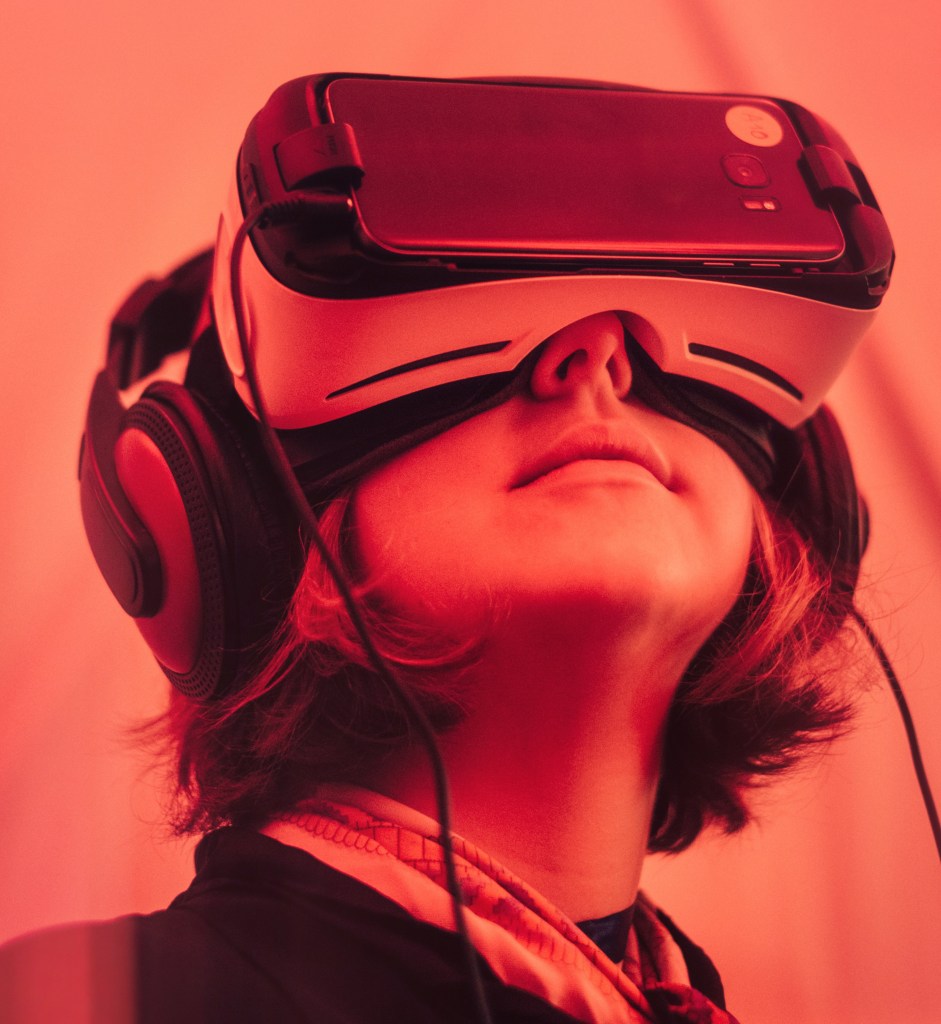
The new component I’d like to add to the class is to have the middle school students then create the world in virtual reality. This was not easy to design. I love learning about new technology and thinking about how to use it in education. But designing an effective plan really challenged me to think more about the technology being used. Are we using it just because it is interesting or are we adding value when we introduce it? Virtual reality is exciting but will our students benefit and grow by using it?
Teachers and students must find new ways to use technology and expand what it can do if it is going to have meaningful educational value (Martinez and Stager, p.31). In this learning experience, students do that by creating an immersive, interactive simulation which could not be made without using technology.
It was important to keep a backward design process like Understanding by Design in mind while doing this. “The best designs derive backward from the learning sought.” (Wiggins, et al. p.14). This helps keep the learning goals at the center of the process and helps ensure we are using technology as a means to an end and not as an end itself.
Feel free to check out the details of my learning experience. I would love to hear your thoughts in the comment section below!
References
Martinez, S. L., & Stager, G. (2019). Invent to learn: Making, tinkering, and engineering in the classroom (2nd Edition), p. 51. Torrance, CA: Constructing Modern Knowledge Press.
Wiggins, G., & McTighe, J. (2005). Understanding by design. Alexandria, VA: ASCD.
 Brian Durst EdTech